


“I want to bring more of the literary world to South LA, to help other writers who are as Frank O’Connor might suggest, submerged. I want to encourage them to write the same way EV has encouraged me to write; unencumbered, uncensored, unstifled.“
Hot off the Press! Read NOW
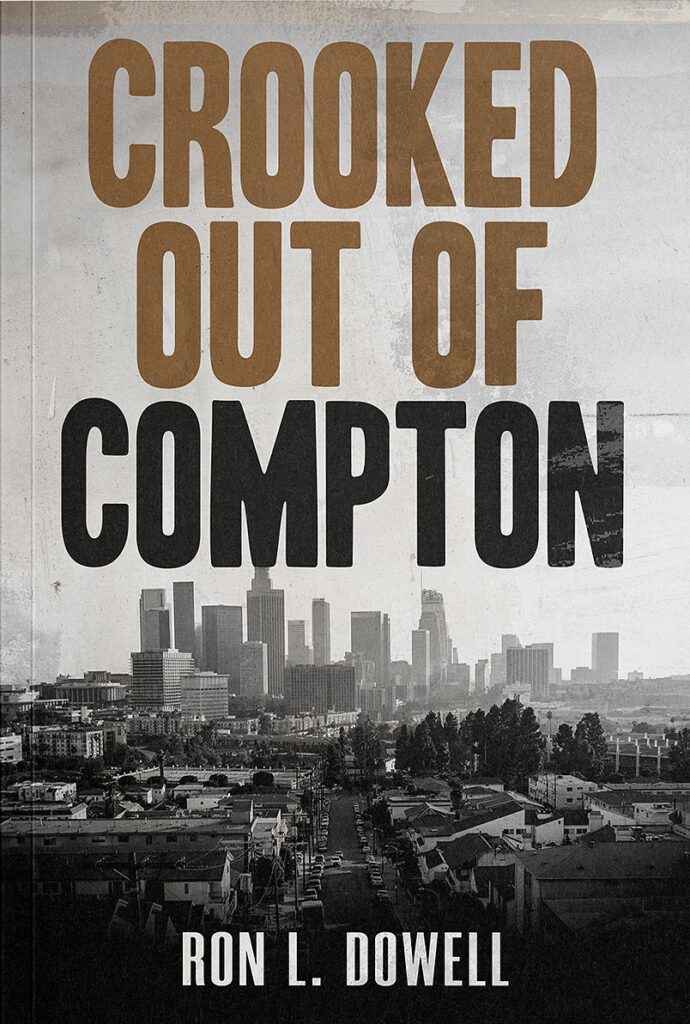
Crooked Out Of Compton
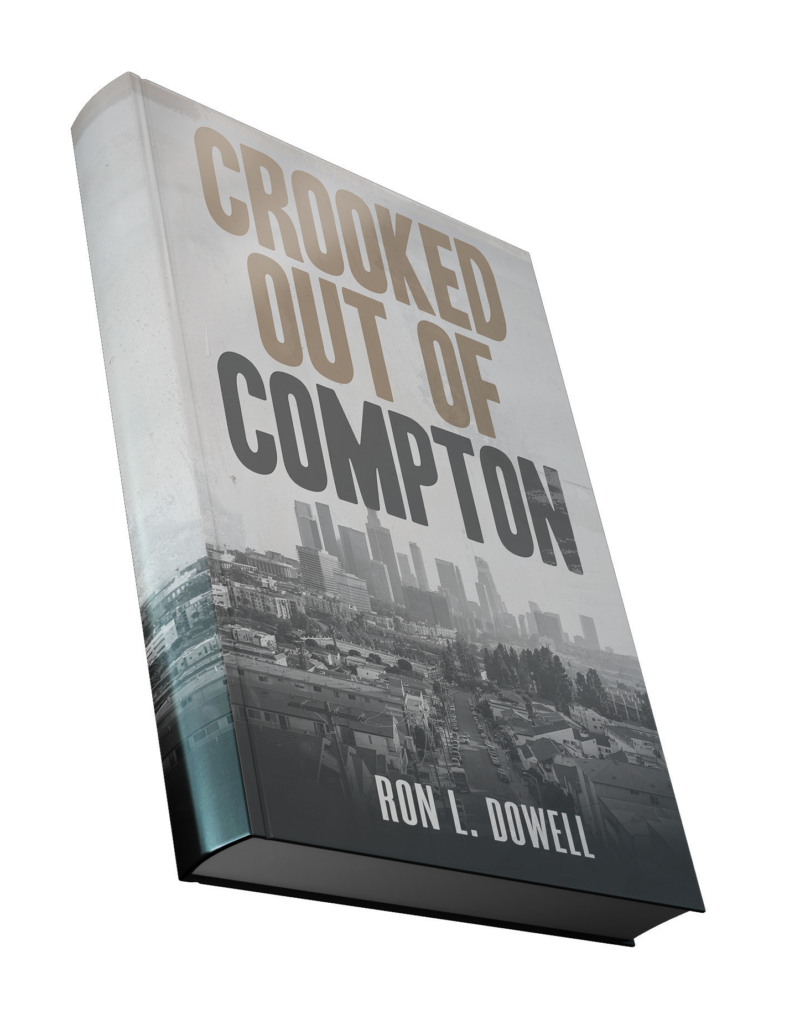
Released on September 2, 2024
Mention “California,” and most people think of sun-kissed beaches, star-studded glamour, Hollywood success, or Silicon Valley. However, the stories in Crooked Out of Compton expand the narrative to include stories about othered Californians—each story reveals a different facet of the South [Central] Los Angeles community and its inhabitants.
click to order from amazon
click to order from barnes and noble
skip render: ucaddon_blox_line_diamond_seperator
SHORT STORY PUBLICATIONS
skip render: ucaddon_blox_line_diamond_seperator
skip render: ucaddon_blox_line_diamond_seperator
SHORT STORY PUBLICATIONS
skip render: ucaddon_blox_line_diamond_seperator

PREGNANCY TEST
Frederick and Pearlene Woodson find themselves in a local hospital emergency room after Pearlene stumbles two weeks before in “Pregnancy Test.”
OTIS ELEVATES
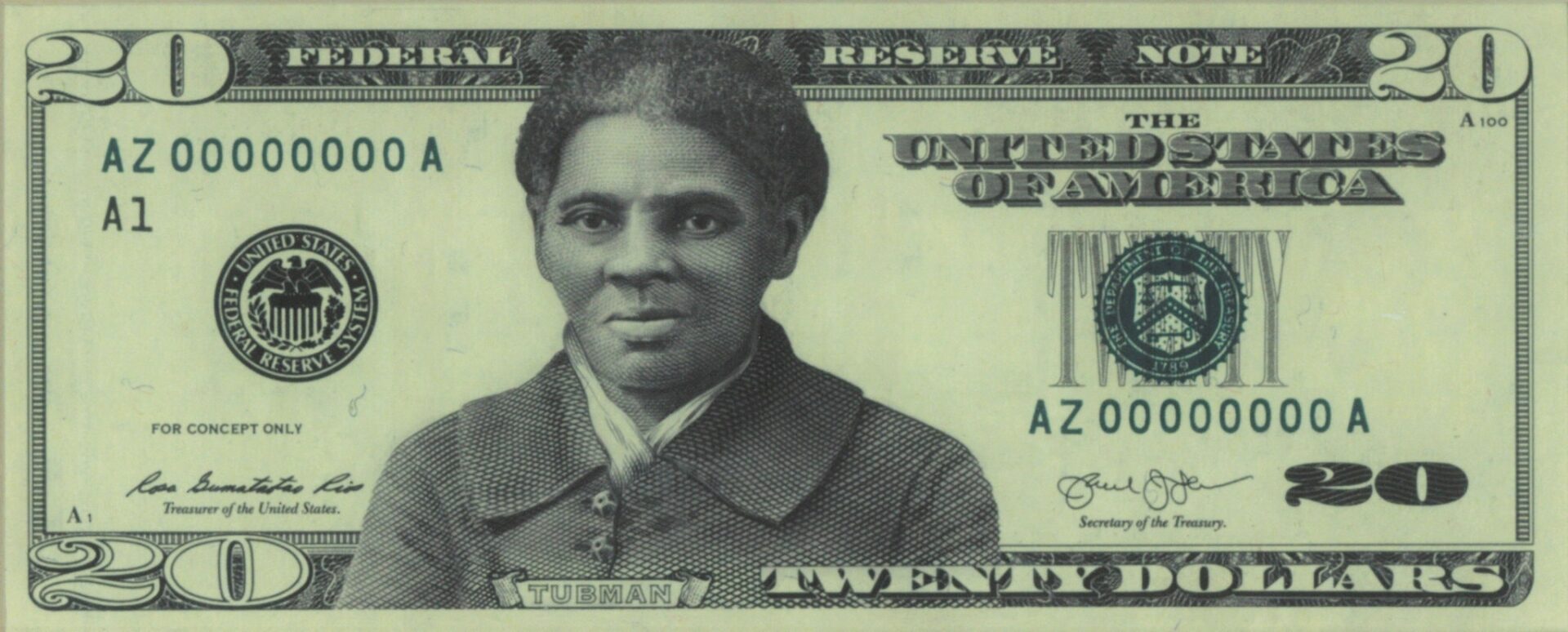
In 1970 Los Angeles, nineteen-year-old Leland Otis Dunwitty’s drug-fueled joyride ends in a crash that gravely injures his friend Booker. Guided by visions of Harriet Tubman as he stumbles through further drugs and gun violence, Otis begins to recognize addiction as a form of enslavement and confronts his first real choice between self-destruction and freedom.
AFIXA™
The N-word had been programmed into artificial intelligence even though people received assistance from a Black man’s poop. He’d spent years living in Sanctuary, inhabited by so many different ethnicities, genders, and skin shades, the N-word had lost some, but not all, of its sting. To the folks living there, everyone was a nigger to many outsiders.
PROFESSOR ROACH
Cockroaches scurried across the ceiling and down the wall, disappearing into crevices and cracks like demigods. Jubilee Washington lay on his side, then turned onto his back, breathing fast.
TALLENT NEAL’S HUNGRY BELLY
You’re on Compton City Hall’s chambers steps, Black Lives Matter button in plain view, your belly distends and nearly blocks out Herrera. It stretches Elizabeth Eckford’s 1957 photo that’s on your T-shirt… short story fiction
LELAND O. DUNWITTY’S SQUARE CIRCLE EDUMACATION
In 1971 Watts, nineteen-year-old Leland Dunwitty struggles to keep his first real job and pass a community-college psychology exam while relying on drugs and alcohol to carry him through the day. During a chaotic training session at the mental-health clinic where he works, an addiction counselor forces Leland to recognize that his habits mirror the suffering he is supposed to help address. Confronted by a coworker’s death and his own uncertain future, Leland begins to see sobriety, education, and self-knowledge as paths toward serving himself and his community.
DUMP CITY
In Guatemala’s Dump City, seventeen-year-old Juan Carlos Martinez numbs hunger and despair with glue while his family struggles to preserve his father’s grave and obtain medicine for his gravely ill sister. Sent into the rainforest to seek guidance from Maximón, Juan Carlos begins to recognize his own power to change—only to return home and confront devastating loss and the enduring grip of the life he hoped to escape.
READ MORE
skip render: ucaddon_blox_line_diamond_seperator
SITE CONTENT
skip render: ucaddon_blox_line_diamond_seperator
skip render: ucaddon_blox_line_diamond_seperator
SITE CONTENT
skip render: ucaddon_blox_line_diamond_seperator

SHORT STORY COLLECTION FAQS
The stories above are samples of what you’ll read in my short story collection, “Crooked Out of Compton.” The collection was a finalist for the 2020 Big Moose Prize and was a Chestnut Review Stubborn Artist Contest semi-finalist. “Bruised,” a story from the collection, won the 2020 Tulip Tree Merit Prize.
FIND OUT MORE
https://youtu.be/MLHWBQ42Sl4https://youtu.be/0Bdenm2zhc4https://youtu.be/MLHWBQ42Sl4
skip render: ucaddon_blox_line_diamond_seperator
PHOTO GALLERY
skip render: ucaddon_blox_line_diamond_seperator
skip render: ucaddon_blox_line_diamond_seperator
PHOTO GALLERY
skip render: ucaddon_blox_line_diamond_seperator
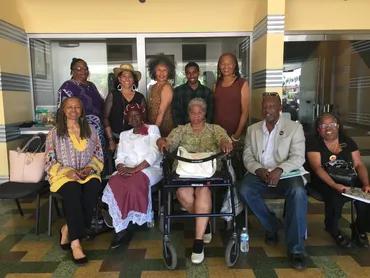
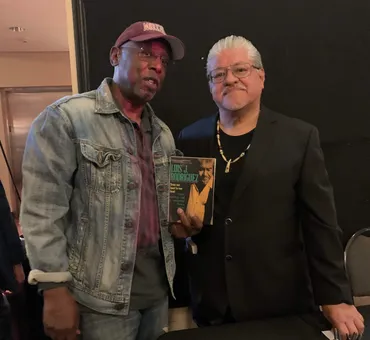
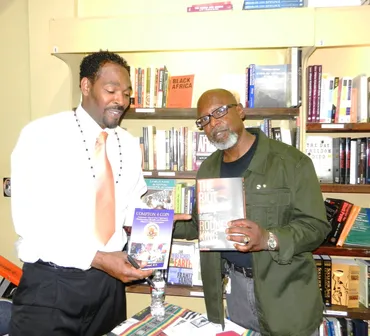

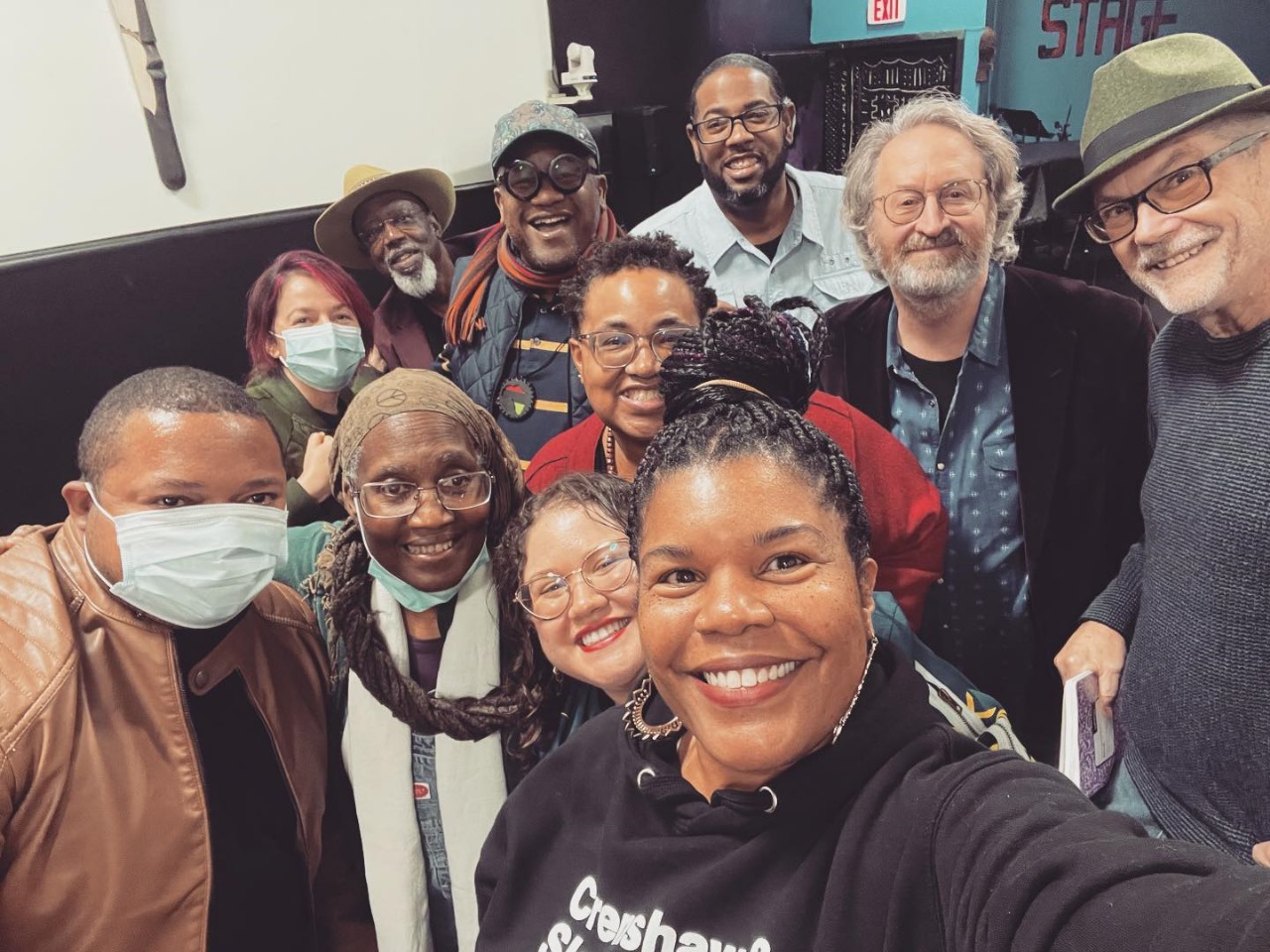
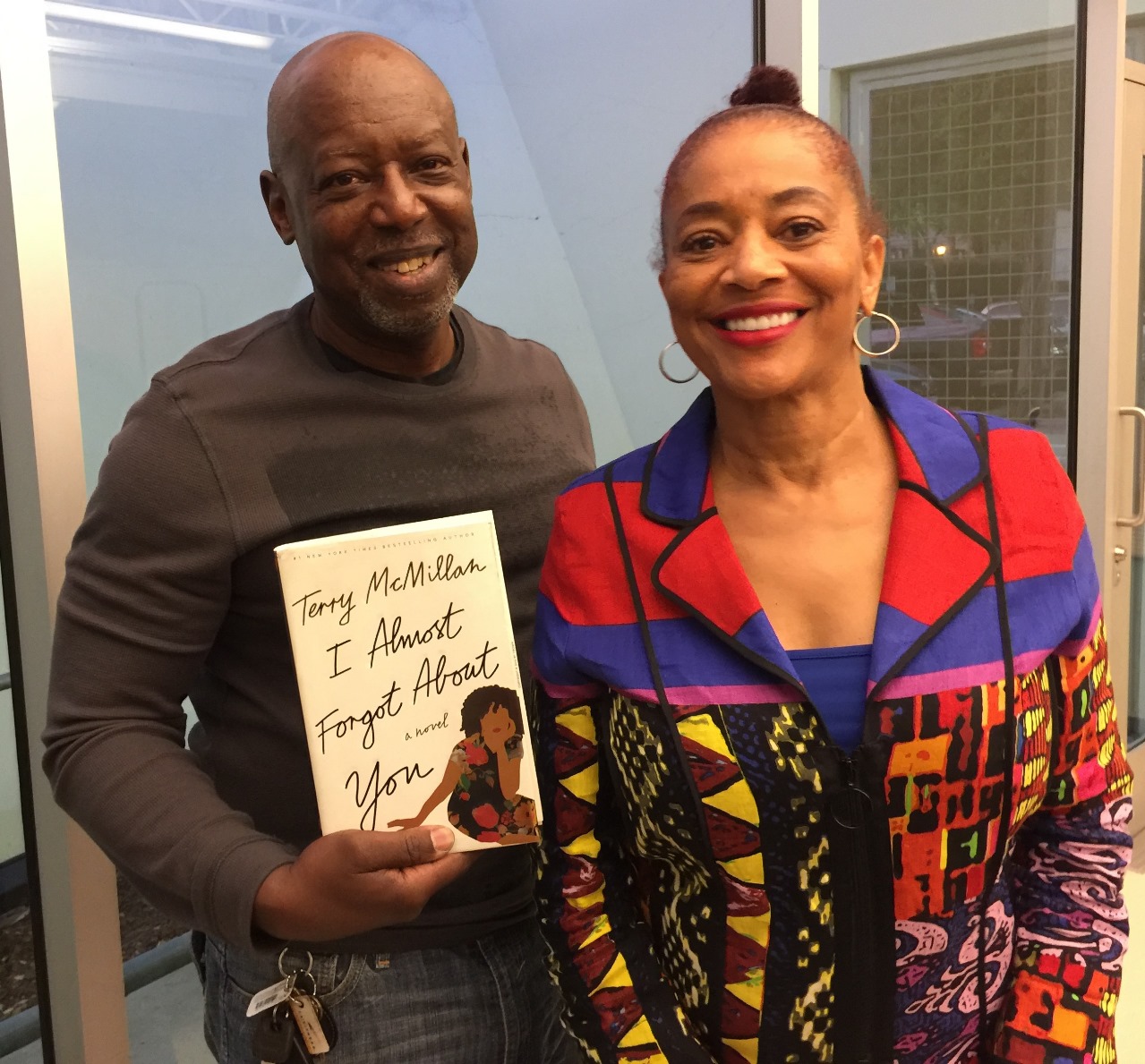
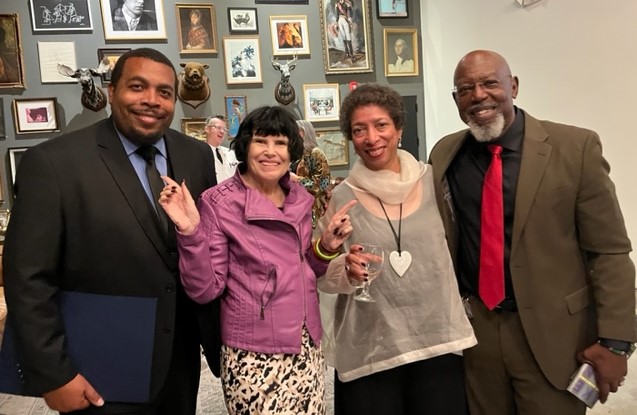
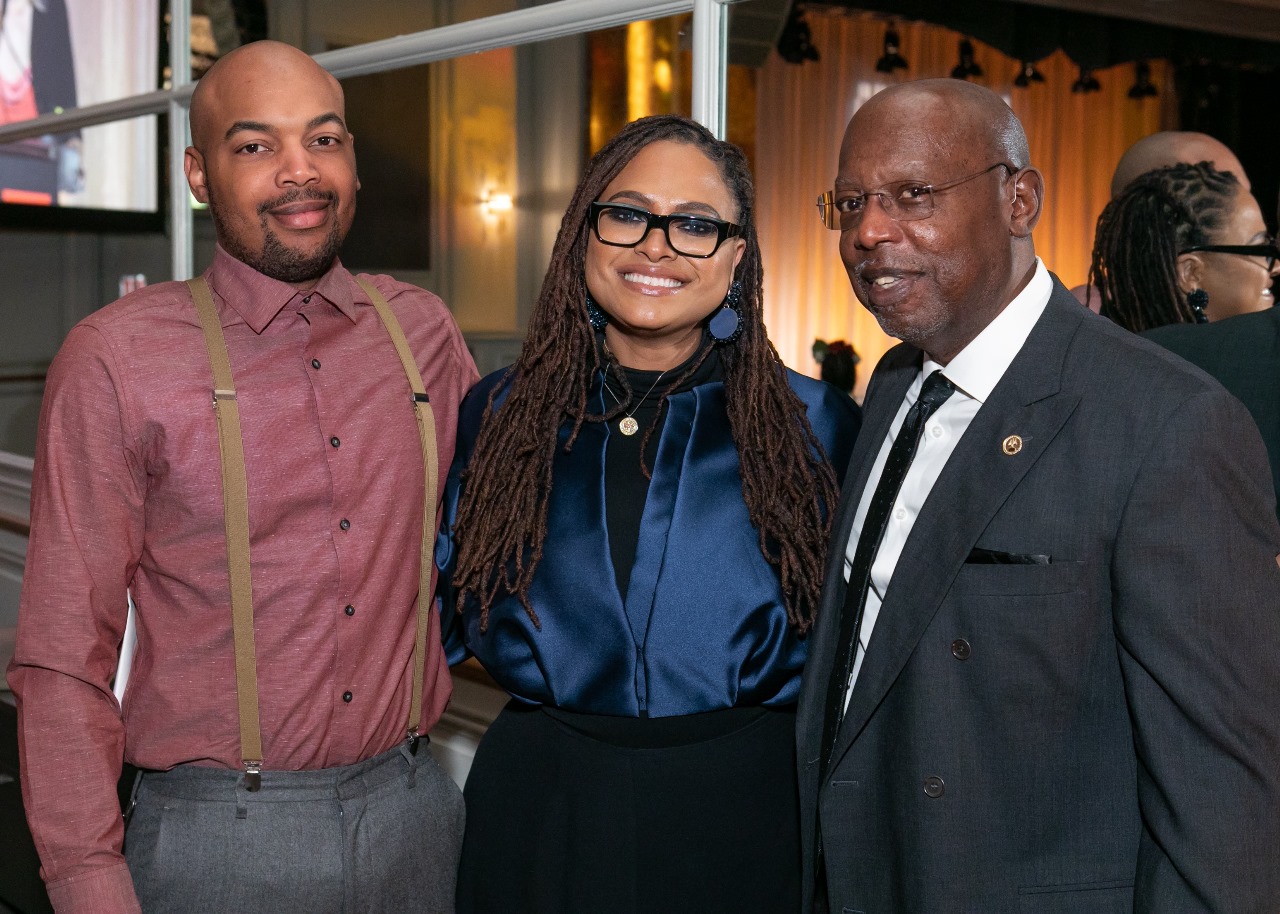


skip render: ucaddon_blox_line_diamond_seperator
SOCIAL MEDIA
skip render: ucaddon_blox_line_diamond_seperator
skip render: ucaddon_blox_line_diamond_seperator
SOCIAL MEDIA
skip render: ucaddon_blox_line_diamond_seperator